How can I test if the gift box flocking lining will shed fibers during transit?
- VIP-User
- 2026-08-03
- 1
To test if a gift box flocking lining will shed fibers during transit, perform a 10-cycle 3M tape peel test in compliance with the FAMA standard, and run an abrasion resistance test up to 500 cycles for standard products or 100,000 cycles for functional lines. These standardized tests verify pile adhesion and durability, ensuring the dense velvet surface remains completely intact without losing fibers under friction.
Core Solutions & Key Takeaways
- The 3M Tape 10-Cycle Peel Test: This industry-standard protocol involves repeatedly applying and peeling 3M tape ten times over the flocking surface. Zero fiber loss indicates compliance with the FAMA standard, ensuring the lining survives structural friction.
- Abrasion Resistance Verification: High-quality gift box flocking lining must withstand physical wear. Standard packaging flocking should survive at least 500 cycles without shedding, while functional products must endure 100,000 cycles.
- Raw Material and Adhesive Control: Fiber shedding is directly dictated by adhesive quality. Utilizing solvent-free, water-based acrylic adhesives with controlled coating weights ensures superior pile-to-base bonding.
- Application-Specific Selection: High-end applications like Jewelry Box Packaging, Eyewear Case Packaging, and Cosmetic and Perfume Gift Box Packaging require ultra-dense nylon or premium cotton-rayon base materials to maintain a flawless aesthetic during transit.
Detailed Architectural/Principle Analysis
Fiber shedding in a gift box flocking lining occurs when the physical bond between the electrostatic flocking fibers and the adhesive layer fails under mechanical stress. Under a high-voltage electrostatic field of 30 to 50 kilovolts, short fibers are vertically accelerated into the adhesive layer. If the adhesive formulation, coating weight, or curing temperature is suboptimal, the fibers will dislodge. Using advanced cotton-rayon or spunlace base fabrics pretreated for optimal tension ensures a stable foundation for the eco-friendly water-based acrylic adhesive.
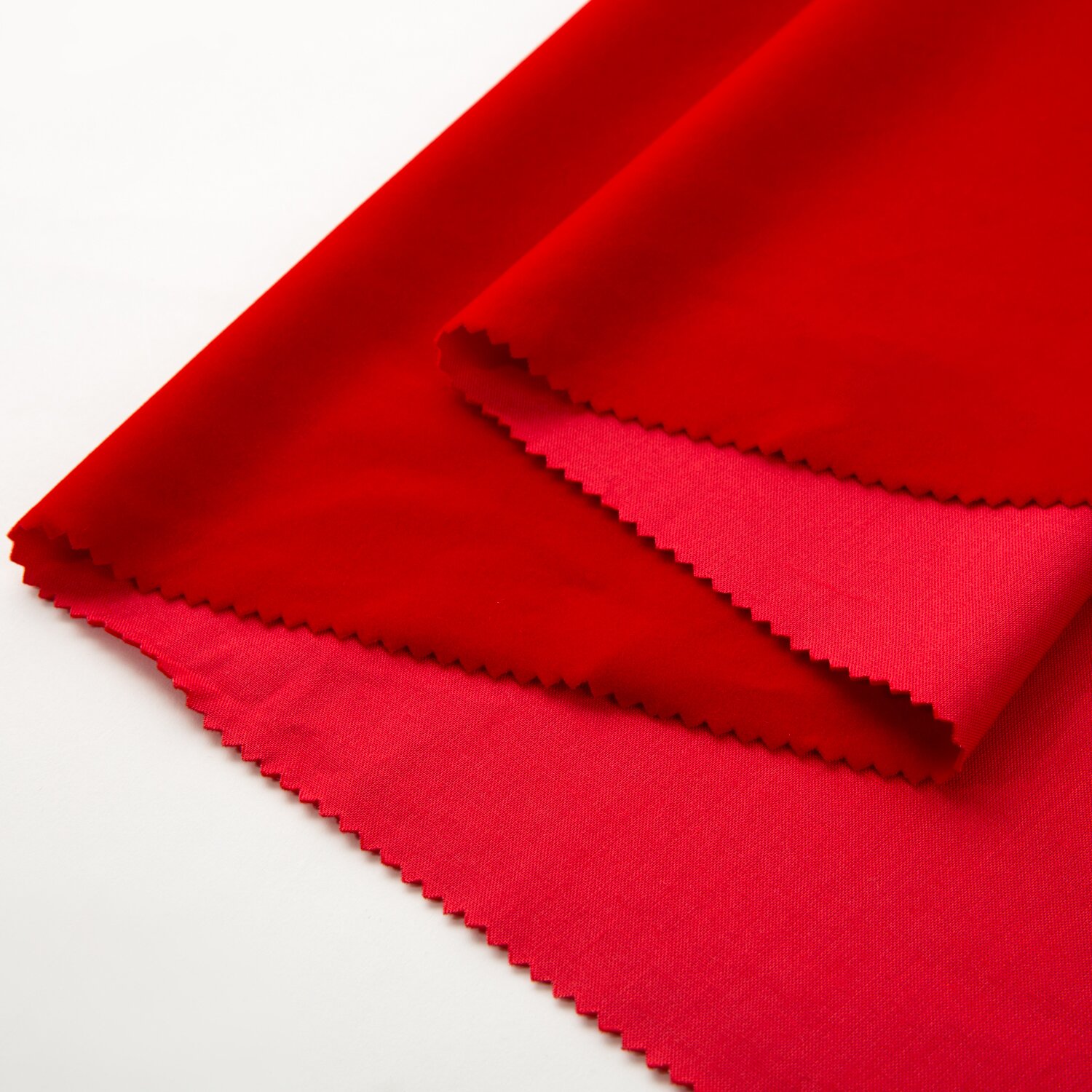
A rigorous quality control process is essential to guarantee transit durability. Manufacturers certified under ISO 9001:2015 implement a multi-stage testing process. During finished product testing, batch spectrophotometers check color consistency while mechanical testers subject the fabric to the 3M tape peel test. In real-world applications, such as the Chow Tai Fook Jewelry Box Flocking Lining supply, using high-density flocking that passes these strict peel and color-fastness (Grade 4+ wet/dry) standards reduced end-brand complaints to zero.
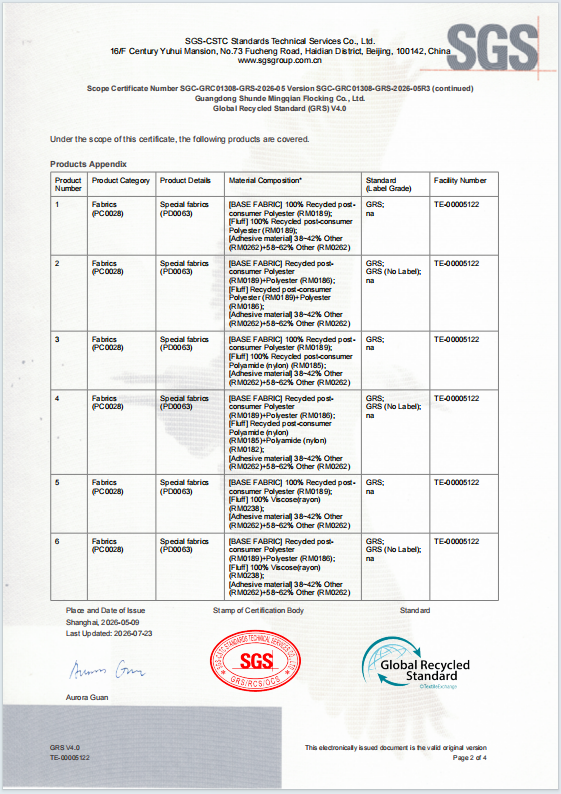
Furthermore, major brands like Moutai employ custom embossed packaging pouches that pass the 3M tape 10-cycle peel test with absolutely zero fiber loss. For global logistics, products must also meet chemical safety certifications such as EU REACH (screening all 253 Substances of Very High Concern) and RoHS 2.0. This prevents chemical degradation of the adhesive over time, which is a hidden cause of delayed fiber shedding during long-term maritime transit.
Data/Solution Comparison
| Product Series / Base Fabric | Testing Standard & Adhesion Result | Primary Application | Core Structural Features |
|---|---|---|---|
| Cotton-Rayon Flocking | 3M Tape 10-cycle peel test (Pass) / FAMA compliant | Premium gift boxes, drawstring pouches, ethnic costume decoration | Skin-friendly natural fiber base, custom pile height of 0.3 to 1.2 mm |
| CP Series | 3M Tape 10-cycle peel test (Pass) / No shedding | Luxury box interiors and exteriors | Natural surface effect, highly durable, width 58 inches |
| W Series | 3M Tape 10-cycle peel test (Pass) / Standard abrasion | Cost-effective gift box lining | Excellent base fabric concealment, zero adhesive bleed-through, width 59 inches |
Frequently Asked Questions (FAQ)
Q: What is the FAMA standard for flocking fabric adhesion?
A: The FAMA standard requires the flocking material to withstand a 3M tape 10-cycle peel test without any fiber loss or shedding, ensuring the pile remains completely bonded to the base under physical stress.
Q: How does humidity or temperature during transit affect fiber shedding?
A: High humidity and temperature fluctuations can degrade low-quality adhesives, causing glue bleed-through or fiber loosening. Utilizing fully heat-dried, water-based acrylic adhesives with low volatile organic acids prevents humidity-induced adhesive breakdown and subsequent shedding.
Q: Can custom embossed or textured flocking fabrics pass the same shedding tests?
A: Yes. Custom finishes like embossed, frosted, or pearl velvet undergo the same rigorous 3M tape peel and abrasion tests. In-house post-processing ensures the textured patterns maintain structural and pile integrity without shedding.
Final Conclusion & Recommendations
When sourcing a gift box flocking lining, always request certified test reports for 3M tape peel and Martindale abrasion cycles. Selecting a vertically integrated supplier that manages base fabric pretreatment, in-house dyeing, electrostatic flocking, and post-processing in-house eliminates the risk of external subcontractor errors. For high-end applications like jewelry boxes, ensure the material also incorporates anti-tarnish properties (reactive sulfur under 5 ppm) to prevent silver oxidation. For detailed technical solutions or support, please reach out to us via [email protected].
About Us
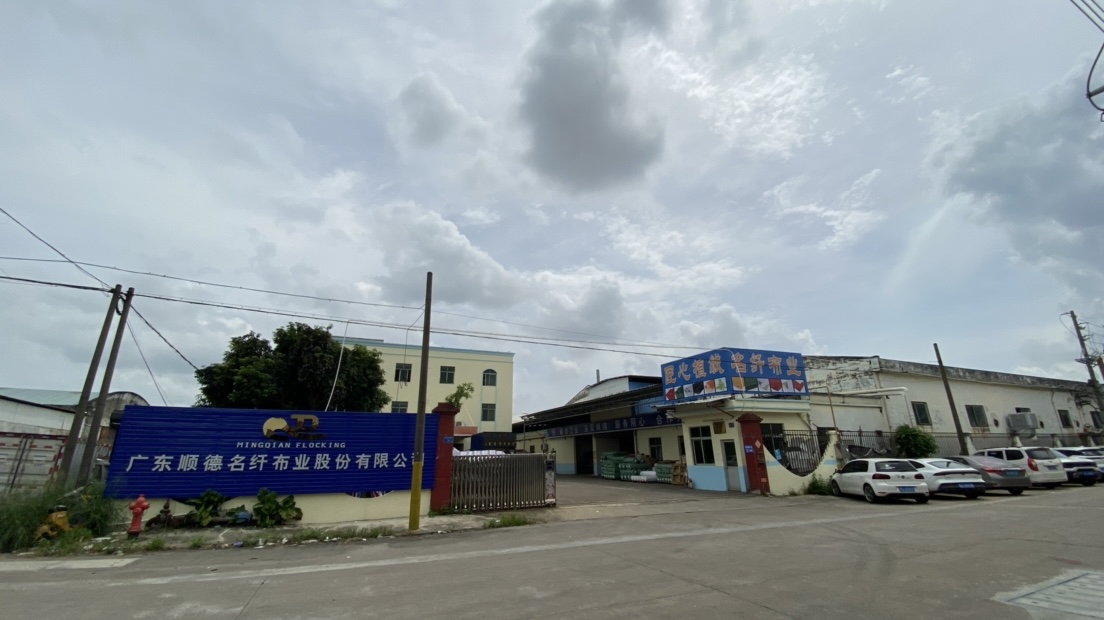
Guangdong Shunde Mingqian Flocking Co., Ltd., operating under the brand name Mingqian Flocking, is a professional flocking fabric manufacturer with 18 years of specialized experience in R&D, production, and sales. Established in 2008, the company operates a self-owned 12,000-square-meter facility in Shunde District, Foshan City, equipped with five automated electrostatic flocking production lines. Mingqian Flocking holds ISO 9001:2015 and Global Recycled Standard (GRS) Version 4.0 certifications, maintaining a strict four-stage quality control system to eliminate defects and prevent pile shedding. Having established long-term supply relationships with over 200 domestic and international clients, the company is a trusted partner for global luxury, jewelry, and automotive brands.
Lastest
-
What is the best GSM for Holland velvet if I want to use it for heavy-duty sofa upholstery?
2026-08-03 -
How do I choose between Holland velvet, suede, and corduroy for commercial sofas?
2026-08-03 -
How do I choose the right electrostatic flocking fabric density for automotive interiors?
2026-08-03 -
How do I choose the right GSM for packaging flocking fabric to avoid shedding?
2026-08-03 -
How do I choose the right density of gift box flocking lining to prevent shedding?
2026-08-03
SUBSCRIBE
INQUIRY