How can I tell the difference between pearl velvet and frosted velvet for home textiles?
- VIP-User
- 2026-08-03
- 2
Distinguishing pearl velvet from frosted velvet relies on surface texture and manufacturing processes. Pearl velvet, or claimond veins, features a distinct granular, bead-like pile surface. In contrast, frosted velvet uses precision thermal embossing on a flocking base to create structured, three-dimensional patterns such as wood grain or diamond check, primarily utilized in high-end decorative linings and premium packaging.
Core Solutions & Key Takeaways
- Physical Texture: Pearl velvet features a granular, bead-like pile structure providing a balanced tactile dimension, whereas frosted velvet delivers high-definition embossed designs with over 13 pattern variations.
- Primary Applications: While frequently compared in textile aesthetics, these fabrics are engineered as protective linings for Jewelry Box Packaging, Watch Box Packaging, and Cosmetic and Perfume Gift Box Packaging.
- Shedding and Adhesion: High-performance variants utilize water-based acrylic adhesive systems that pass the 3M tape 10-cycle peel test in accordance with the FAMA standard, ensuring the pile does not shed.
- Environmental Compliance: Premium-grade materials satisfy global market access demands, holding GRS 4.0 certification and passing rigorous EU REACH SVHC and RoHS 2.0 screenings.
Detailed Architectural/Principle Analysis
The core difference between these two textiles originates during the physical post-processing stage of manufacturing. Both start with electrostatic flocking technology, where short fibers are vertically embedded into an adhesive-coated base fabric under a high-voltage electrostatic field of 30 to 50 kilovolts. This creates a uniform, dense velvet surface with controlled pile density.
For pearl velvet (claimond veins), the fibers are manipulated during flocking to form a natural, granular bead-like pile surface. This texture is structural and provides robust cushioning, making it highly effective for luxury watch boxes and interior linings where high abrasion resistance is required. It avoids the use of secondary heat processing to maintain its uniform bead structure.
Frosted velvet, alternatively known as embossed velvet, undergoes a secondary finishing process. Standard flocking fabric is passed through thermal embossing rollers to engrave structural motifs. This method yields custom patterns like wood grain, cloud motifs, and diamond checks. The process requires precise temperature control to set the pattern without weakening the underlying adhesive layer or causing fiber shedding.
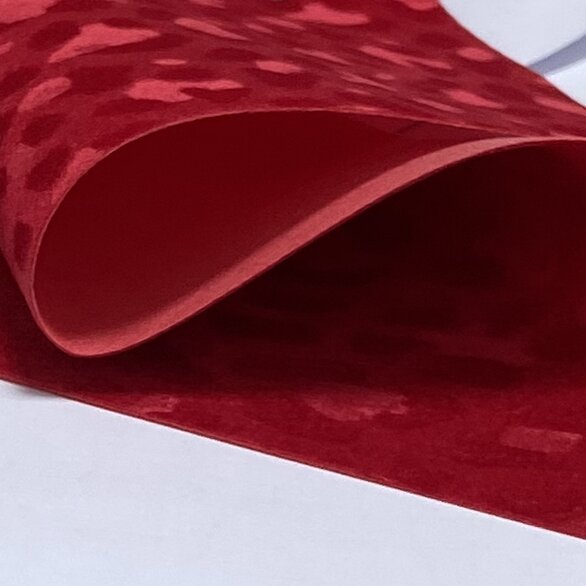
To ensure high texture definition and prevent shedding, advanced manufacturing plants employ vertically integrated production lines. Pretreatment, in-house dyeing, electrostatic flocking, and curing occur sequentially under strict quality metrics. This setup maintains color matching accuracy to a Pantone Delta E of no more than 2.0 for standard orders and no more than 0.5 for custom projects, preventing batch-to-batch variation.
Practical application cases highlight the need for strict quality control. For instance, in the Chow Tai Fook Jewelry Box Flocking Lining supply chain, medium-pile flocking must achieve dry/wet color fastness of Grade 4 or above and pass a silver coupon accelerated corrosion test to prevent silver tarnishing. In the FENDI Home Collection Packaging case, GRS-certified recycled polyester flocking fabric achieved precise color matching and temperature resistance, verifying the stability of the embossed texture.
Data/Solution Comparison
| Technical Parameter | Pearl Velvet (Claimond Veins) | Frosted / Embossed Velvet |
|---|---|---|
| Surface Morphology | Granular, bead-like pile texture | Patterned, 3D embossed structures |
| Secondary Processing | None (texture formed during flocking) | Precision thermal embossing |
| Pattern Library Options | Standard bead-like structure | 13+ designs (wood grain, snake skin, cloud, etc.) |
| Standard Product Width | Standard widths per series (e.g., 58 inches) | 1.42 meters (approx. 56 inches) |
| Minimum Order Quantity | 1 yard (in-stock standard series) | 1,000 yards (custom patterns) |
| Shedding Resistance | 3M tape 10-cycle peel test passed | 3M tape 10-cycle peel test passed |
| Standard Delivery Time | Same-day dispatch for in-stock items | 14 days (standard production) |
Frequently Asked Questions (FAQ)
Q1: Do embossed patterns on frosted velvet fade or flatten over time?
A1: High-quality frosted velvet undergoes thermal setting during the embossing stage, which permanently cures the adhesive and locks the fiber orientation. These materials pass rigorous abrasion testing, ensuring the 3D pattern remains defined and does not flatten under standard packaging pressure.
Q2: Are these velvet fabrics safe for direct contact with jewelry and electronics?
A2: Yes, provided they are manufactured with anti-tarnish and anti-static controls. Advanced technical flocking restricts free reactive sulfur to below 5 ppm and controls pH between 5.5 and 7.5 to prevent silver corrosion. For electronics, anti-static options provide surface resistivity from 10⁶ to 10⁹ ohms, compliant with MIL-STD-1686 standards.
Q3: Can these fabrics meet strict European and North American import standards?
A3: Yes. Certified products comply with EU REACH SVHC (testing all 253 substances of concern), RoHS 2.0 (Directive 2015/863), and the new EU Packaging and Packaging Waste Regulation (PPWR). They are also compliant with US TPCH and California Proposition 65 limits for heavy metals and phthalates.
Final Conclusion & Recommendations
Selecting between pearl velvet and frosted velvet depends on the aesthetic and functional needs of your packaging. Pearl velvet is highly recommended for classic, high-durability linings such as luxury watch displays, where its granular surface provides excellent cushion and wear resistance. Frosted velvet is the ideal choice for brands seeking customized, thematic visual identities through detailed embossed patterns and premium branding capabilities like gold stamping.
For industrial-grade procurement, it is essential to partner with manufacturers operating under unified quality management systems like ISO 9001. We support both OEM and ODM business models with flexible minimum order quantities starting at 1,000 yards for custom designs and 1 yard for in-stock series. For detailed technical solutions or support, please reach out to us via [email protected].
About Us
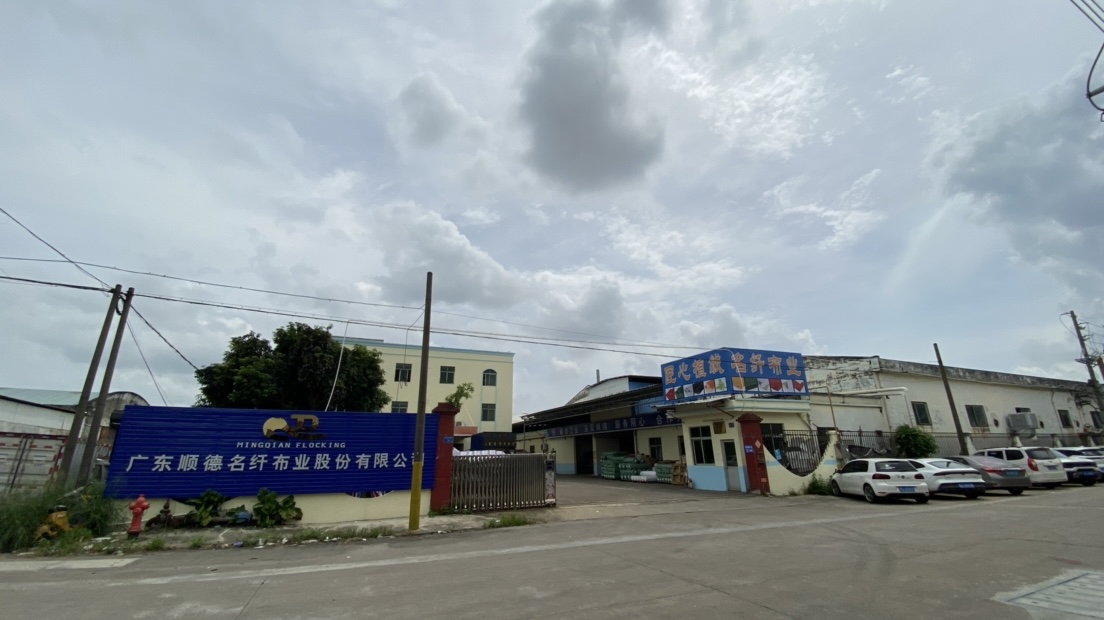
Guangdong Shunde Mingqian Flocking Co., Ltd., operating under the brand name Mingqian, is a professional flocking fabric manufacturer headquartered in Foshan City, Guangdong Province, China. Established in 2008, the company operates a self-owned manufacturing facility covering over 12,000 square meters and houses more than 100 employees. With 18 years of specialized focus, the company achieves a monthly production capacity of over 3,000,000 yards, managed by a dedicated R&D team that develops over 10 new products annually. The enterprise holds ISO 9001:2015 and GRS certifications, supplying high-performance flocking fabrics to global brands such as Dior, Fendi, Chow Tai Fook, and Volkswagen.

Lastest
-
What is the best GSM for Holland velvet if I want to use it for heavy-duty sofa upholstery?
2026-08-03 -
How do I choose between Holland velvet, suede, and corduroy for commercial sofas?
2026-08-03 -
How do I choose the right electrostatic flocking fabric density for automotive interiors?
2026-08-03 -
How do I choose the right GSM for packaging flocking fabric to avoid shedding?
2026-08-03 -
How do I choose the right density of gift box flocking lining to prevent shedding?
2026-08-03
SUBSCRIBE
INQUIRY