How can I prevent shedding in bulk long pile or frosted velvet fabrics?
- VIP-User
- 2026-07-31
- 1
Preventing shedding in bulk long pile or frosted velvet fabrics requires utilizing high-voltage electrostatic flocking with a vertically integrated curing process and sulfur-free, water-based acrylic adhesives. Ensuring a 3M tape 10-cycle peel test compliance under FAMA standards, alongside precise oven temperature controls and in-house pre-treatment of the base fabric, eliminates fiber loss in demanding packaging and industrial applications.
Core Solutions & Key Takeaways
- Eco-Friendly Water-Based Acrylic Adhesives: Utilizing solvent-free, water-based acrylic formulations avoids the degradation associated with standard adhesives, keeping fibers locked into the base fabric.
- High-Voltage Electrostatic Acceleration: Operating production lines under a high-voltage electrostatic field of 30 to 50 kilovolts embeds short fibers vertically and uniformly into the adhesive layer, which maximizes pile density and adhesion.
- Precise Thermal Oven Curing: Curing the flocked material in temperature-controlled drying ovens ensures absolute adhesive setting, moisture removal, and dimensional stability, which prevents environmental shedding.
- Rigorous Standard Compliance: Applying the 3M tape 10-cycle peel test on finished rolls ensures that products intended for high-wear environments like Jewelry Box Packaging or Electronics Packaging remain entirely shed-free.
Detailed Architectural/Principle Analysis
Fiber shedding in flocked materials primarily stems from insufficient electrostatic charge during manufacturing, subpar adhesive weight, or incomplete oven curing. To eliminate these weaknesses, Guangdong Shunde Mingqian Flocking Co., Ltd. implements a fully vertically integrated seven-stage production sequence. This in-house chain controls every variable from raw material pre-treatment to final precision cutting.
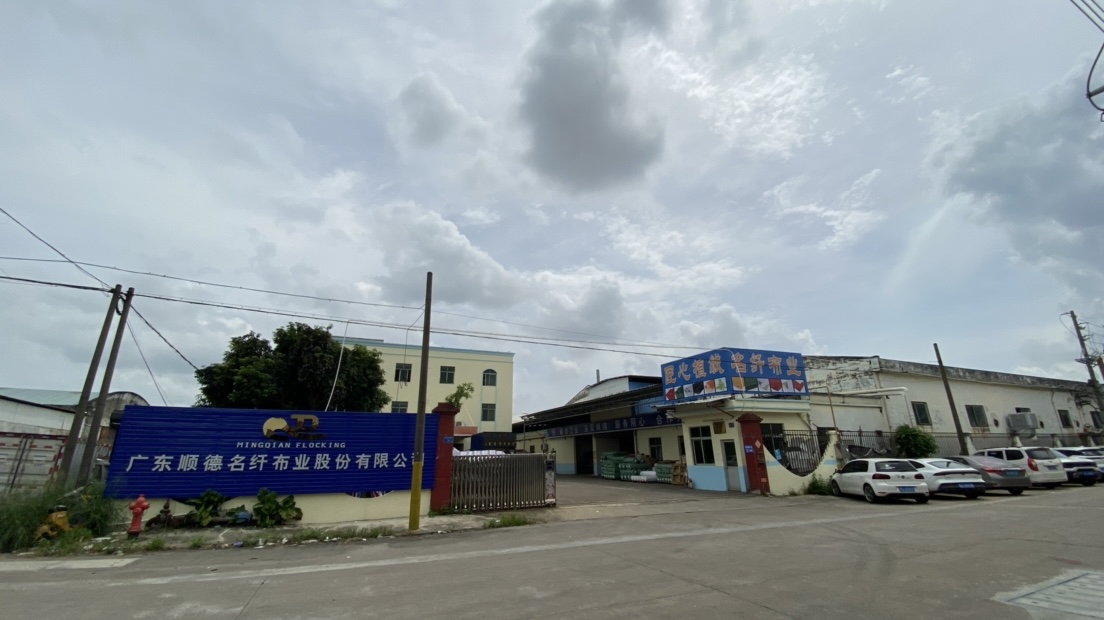
During the primary preparation phase, raw base fabrics undergo tension leveling and pre-coating to guarantee consistent surface contact. The specialized water-based acrylic adhesive is then applied with precision-controlled coating weights. This formulation contains no phthalate plasticizers, organotin compounds, or volatile solvents, maintaining high flexibility without weakening the bond over time. In the electrostatic flocking chamber, short fibers are accelerated using a high-voltage field of 30 to 50 kilovolts, driving the fibers deeply and vertically into the wet adhesive layer at a density controlled to 0.01 millimeter precision.
The subsequent curing stage is vital for locking the fibers. The fabric runs through multi-zone, temperature-controlled ovens that cure the acrylic crosslinkers and completely dry the pile. For specialized luxury packaging applications—such as the custom packaging supplied for brands like Chow Tai Fook, Fendi, and Dior—the material must also pass strict environmental and mechanical tests. This includes maintaining dry and wet color fastness to Grade 4 or above, and resisting abrasion up to 100,000 cycles for functional lines with zero fiber loss.
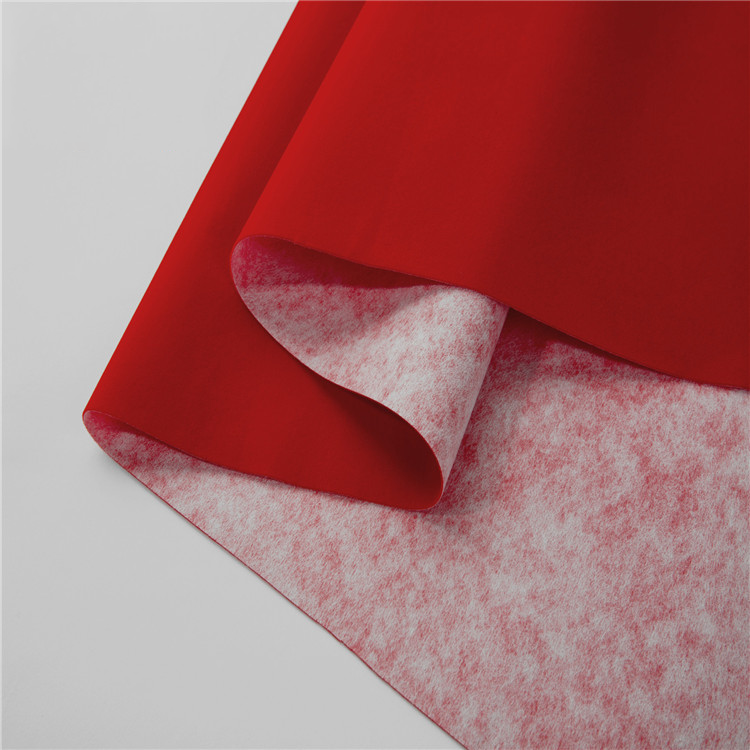
For sensitive jewelry storage cases, the anti-tarnish system goes a step further by using non-sulfur dye systems and sulfur-free, halogen-free adhesives. Free reactive sulfur is restricted to under 5 parts per million, preventing chemical reactions that cause silver blackening. This level of quality control is verified by conducting a silver coupon accelerated corrosion test on every single batch before shipment.
Data/Solution Comparison
Selecting the correct base fabric and pile finish combination is essential for minimizing shedding risk. The table below outlines how various premium flocking structures perform across mechanical and environmental metrics:
| Fabric Type | Base Fabric Compatibility | Shedding Resistance (3M Tape Test) | Primary Application Scenario | Key Performance Standard |
|---|---|---|---|---|
| Plain Velvet | Spunlace, Silk, Cotton-Rayon | 10 Cycles (No fiber loss) | Jewelry Box Packaging, Gift Bags | Pantone Delta E ≤ 2.0 (standard orders) |
| Long Pile | Spunlace, Knitted | 10 Cycles (No fiber loss) | Cosmetic & Perfume Gift Boxes | Formaldehyde ≤ 75 ppm |
| Pearl Velvet | Nonwoven, Spunlace | 10 Cycles (No fiber loss) | Watch Box Packaging, Premium Pouches | Abrasion resistance up to 100,000 cycles |
| Frosted Velvet | PVC, Lining Fabric, Polyester Pongee | 10 Cycles (No fiber loss) | Automotive Interiors, Home Appliances | UL94 V-0 flame retardancy compliant |
Frequently Asked Questions (FAQ)
How does adhesive formulation affect shedding in long pile fabrics?
Standard solvent-based adhesives are prone to microscopic degradation when exposed to humidity or friction, leading to pile shedding. Utilizing water-based acrylic adhesives with sulfur-free, halogen-free formulations provides a stable, long-lasting chemical bond that locks fibers securely into the base material.
What testing procedures verify that flocking fabric will not shed during processing?
A reliable standard is the 3M tape 10-cycle peel test performed in compliance with the FAMA standard. Additionally, high-quality materials undergo dry and wet rub testing to verify a color fastness of Grade 4 or above, alongside abrasion testing ranging from 500 to 100,000 cycles without shedding.
Do eco-friendly recycled fibers have a higher risk of shedding?
No. When GRS-certified recycled polyester or nylon fibers are processed using automated electrostatic production lines, they achieve the same vertical alignment and density as virgin fibers. This ensures identical adhesion performance and zero-shed reliability.
Final Recommendations & Core Guidelines
To avoid shedding issues in bulk custom production, companies should source directly from vertically integrated manufacturers. Choosing an OEM/ODM partner that manages all production stages in-house—including base fabric pre-treatment, dyeing, electrostatic flocking, and post-processing—guarantees full quality control and eliminates subcontractor variance. Standard custom orders typically require a minimum order quantity (MOQ) of 1,000 yards, with a standard delivery timeline of 14 days, backed by comprehensive compliance certifications like GRS, REACH, and RoHS 2.0. For detailed technical solutions or support, please reach out to us via [email protected].
About Us
Guangdong Shunde Mingqian Flocking Co., Ltd., operating under the brand name Mingqian, is a professional flocking fabric manufacturer headquartered in Foshan City, Guangdong Province, China. Established in 2008, the company operates a self-owned manufacturing base of over 12,000 square meters, employing more than 100 people and delivering a monthly production capacity of over 3,000,000 yards. The company holds ISO 9001:2015 and Global Recycled Standard (GRS) Version 4.0 certifications. Mingqian's premium materials have been widely validated through supply chain partnerships serving internationally recognized brands across the luxury, jewelry, eyewear, and electronics sectors.
Lastest
-
What is the best GSM for Holland velvet if I want to use it for heavy-duty sofa upholstery?
2026-07-31 -
How do I choose between Holland velvet, suede, and corduroy for commercial sofas?
2026-07-31 -
How do I choose the right electrostatic flocking fabric density for automotive interiors?
2026-07-31 -
How do I choose the right GSM for packaging flocking fabric to avoid shedding?
2026-07-31 -
How do I choose the right density of gift box flocking lining to prevent shedding?
2026-07-31
SUBSCRIBE
INQUIRY