Does non-shedding flocking fabric have a higher MOQ than standard?
- VIP-User
- 2026-08-06
- 1
Non-shedding flocking fabric does not inherently carry a higher minimum order quantity (MOQ) than standard options. While standard in-stock flocking fabric features an MOQ of just 1 yard, custom-manufactured non-shedding and flame-retardant flocking fabrics require an MOQ of 1,000 yards. This requirement aligns with the standard 500 to 1,000-yard threshold set for custom color and specialized production runs.
Core Solutions & Key Takeaways
- Application-Specific Standards: Non-shedding performance is critical for high-end applications. For instance, jewelry box packaging requires secure pile adhesion to prevent scratches on precious metals, while electronics packaging demands clean, fiber-free environments alongside static discharge protection.
- FAMA Standard Verification: High pile adhesion is verified using a 3M tape 10-cycle peel test under FAMA standards, guaranteeing zero fiber loss. This ensures long-term display durability in premium packaging and automotive cabins.
- Functional Integration: Flame-retardant flocking fabrics are UL94 V-0 rated, extinguishing within 10 seconds in vertical burn tests without dripping. These materials support a composite memory foam base layer that improves shock absorption by 40% for sensitive electronic components.
- Flexible Sourcing Structures: While custom technical specifications require a 1,000-yard manufacturing run, standard plain velvet, pearl velvet, and suede options are maintained in stock with an inventory of over 1,000,000 yards, allowing same-day dispatch with a 1-yard MOQ.
In high-demand environments like automotive interiors and premium retail displays, using verified non-shedding and flame-retardant fabric prevents micro-fiber contamination and ensures structural safety. The underlying manufacturing process utilizes strict curing controls to permanently lock fibers into the adhesive matrix.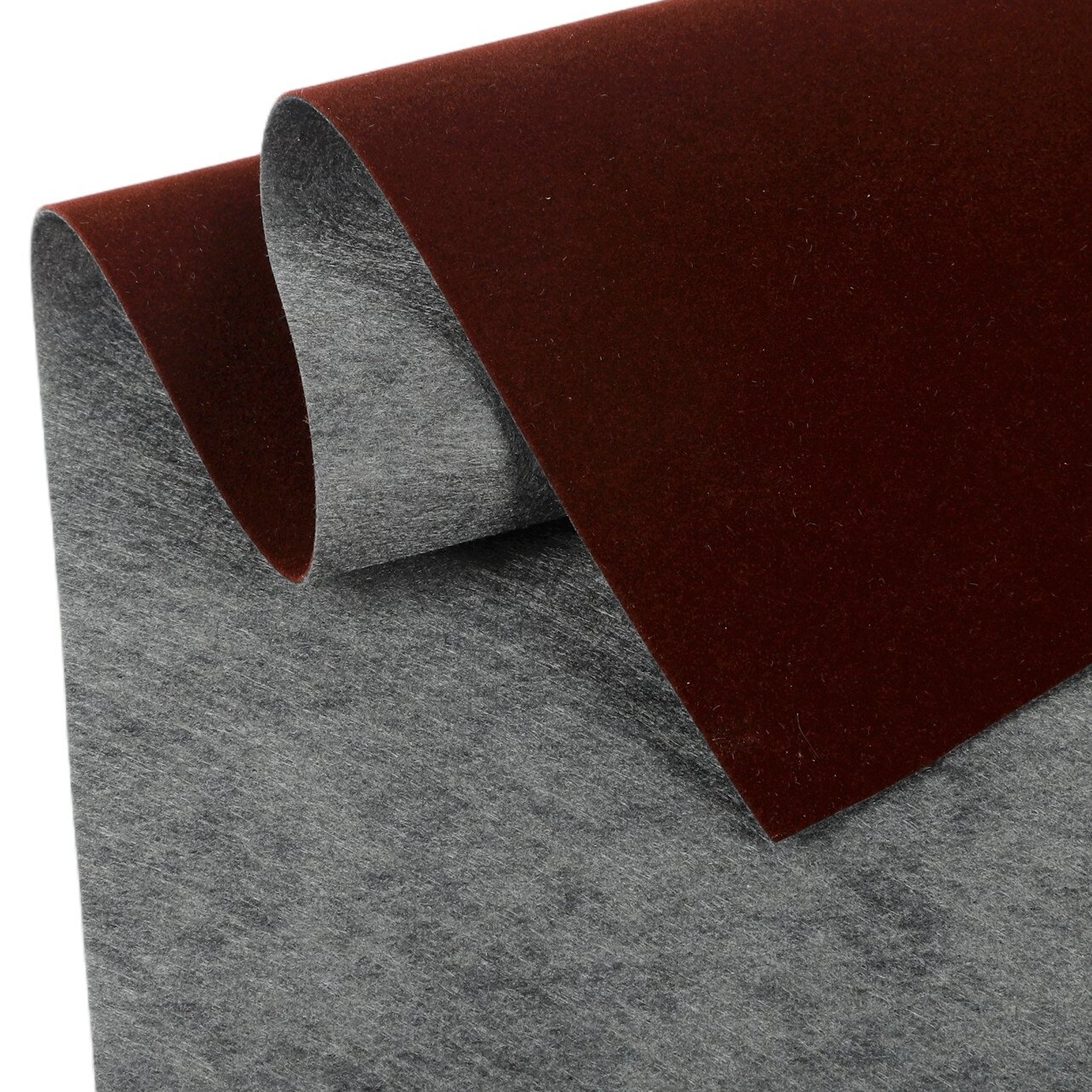
Detailed Architectural/Principle Analysis
Achieving non-shedding properties in functional flocking fabric involves a highly calibrated, seven-stage vertical production line managed by Guangdong Shunde Mingqian Flocking Co., Ltd.. During the adhesive coating stage, the base fabric receives an eco-friendly, water-based acrylic adhesive formulation. This adhesive contains zero solvent, zero phthalate plasticizers, and zero organotin anti-mold agents. It is formulated to maintain a mildly acidic pH between 5.5 and 7.5 to prevent chemical degradation of both the base and the fibers.
In the electrostatic flocking phase, a high-voltage electrostatic field of 30 to 50 kilovolts accelerates short fibers vertically into the wet adhesive layer, embedding them at a controlled pile density precision of 0.01 millimeters. Following fiber insertion, the curing stage takes the material through temperature-controlled drying ovens. This process cures the acrylic polymer, locks the pile alignment, and drives out residual moisture. This step is vital to passing the 3M tape 10-cycle peel test with no fiber loss and achieving an abrasion resistance of over 100,000 cycles for functional products.
For specialized automotive and home appliance applications, the fabric undergoes additional in-house flame-retardant treatment to achieve a UL94 V-0 rating. Environmental safety is verified through third-party testing. The fabric is certified under GRS (Global Recycled Standard Version 4.0, Certificate SGC-GRC01308-GRS-2026-05R3) and conforms to EU REACH SVHC and RoHS Directive 2015/863, providing complete compliance for global distribution.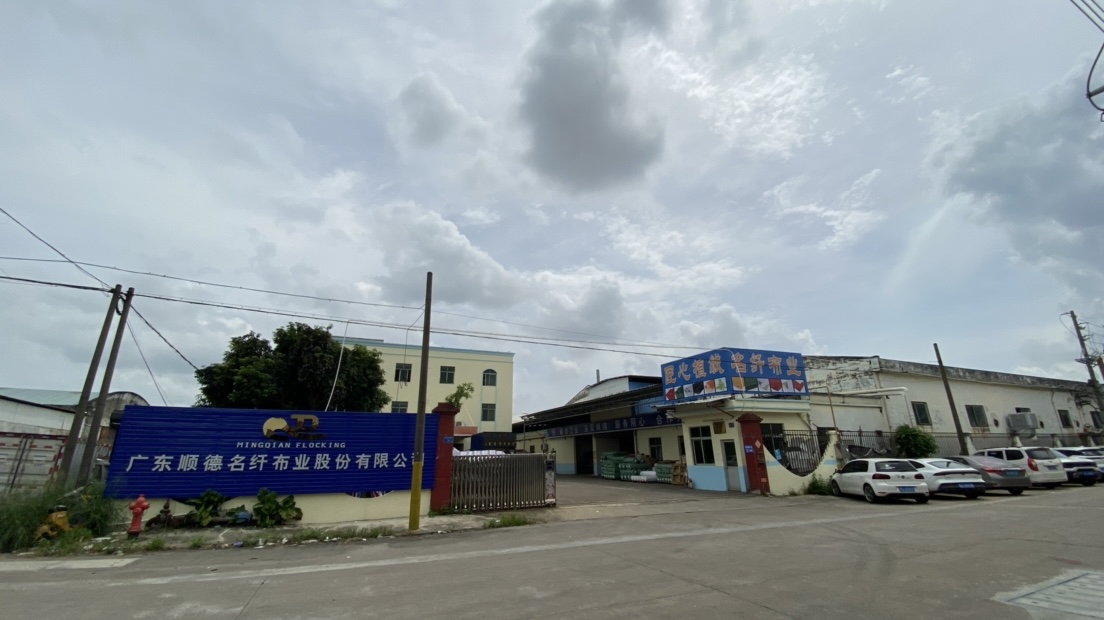
Data/Solution Comparison
The operational and technical parameters of different flocking fabric classifications show how MOQ relates to specific performance capabilities:
| Fabric Classification | Minimum Order Quantity (MOQ) | Abrasion Resistance (Cycles) | Flame Retardancy Rating | Key Features & Base Options | Primary Application Areas |
|---|---|---|---|---|---|
| Standard In-Stock Flocking | 1 Yard | 500 (Standard) | Non-rated | Hundreds of stock colors, same-day dispatch, spunlace or nonwoven base | General gift boxes, toy linings, standard packaging |
| Flame-Retardant / Non-Shedding Flocking | 1,000 Yards | Over 100,000 (Functional) | UL94 V-0 (Self-extinguishing) | 3M tape compliant, optional memory foam composite, knitted or nonwoven base | Automotive interiors, air outlet panels, electronics packaging |
| Custom Colored / Textured Flocking | 500 to 1,000 Yards | 500 to 100,000 | Optional custom treatment | Pantone matching (Delta E ≤ 0.5), embossed or pearl velvet textures | Luxury perfume boxes, brand-specific cosmetics, jewelry displays |
Frequently Asked Questions (FAQ)
Q1: Why does flame-retardant, non-shedding flocking fabric require a 1,000-yard MOQ?
A1: This specialized fabric is manufactured on automated electrostatic lines that require specific machine calibration, precise chemical compounding for flame retardancy, and dedicated oven temperature balancing. Running batches below 1,000 yards is inefficient due to setup times and material calibration loss during the seven-stage integrated process.
Q2: How is the non-shedding property verified for commercial applications?
A2: Every batch is subjected to a 3M tape 10-cycle peel test according to FAMA standards to confirm zero fiber loss. Additionally, functional products undergo mechanical abrasion testing to verify they withstand over 100,000 wear cycles without bald spots or shedding.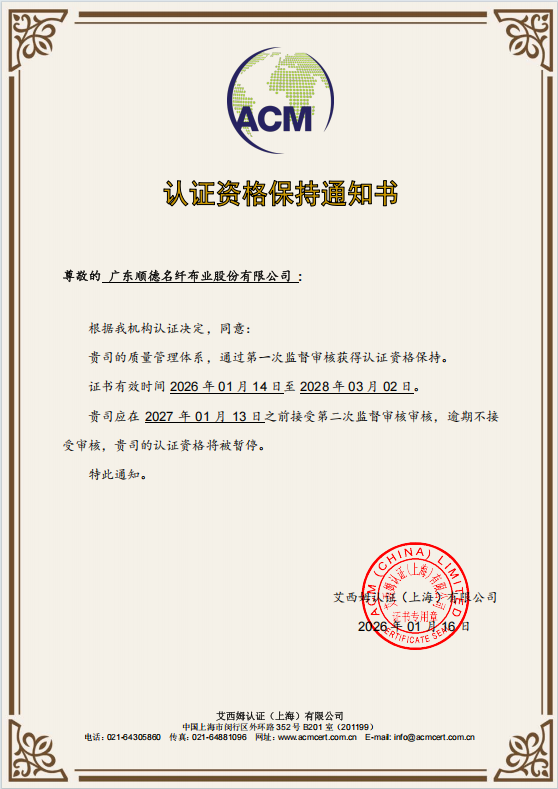
Q3: Can non-shedding flocking fabric be configured with self-adhesive backings?
A3: Yes. The material supports in-house post-processing, including pressure-sensitive self-adhesive backing with a peel strength of at least 2 newtons per 25 millimeters. The backing layer is independently tested for chemical compliance to ensure no VOCs or restricted phthalates are introduced.
Final Conclusion & Recommendations
When selecting a flocking material, the application dictates the performance level and purchasing pathway. For standard seasonal gift packaging, standard in-stock series are recommended due to the low 1-yard MOQ, immediate availability, and cost-effective profile. For technical industrial applications, automotive components, and high-end electronics, the specialized Flame-Retardant Flocking Fabric is recommended despite the 1,000-yard MOQ. It provides verified UL94 V-0 safety, exceptional durability exceeding 100,000 abrasion cycles, and zero fiber shedding.
Transactions are structured under standard OEM/ODM terms with T/T payment (30% deposit, balance paid before shipment) or negotiated arrangements for annual contract clients. Shipments within the Pearl River Delta are handled via same-day dedicated truck delivery, while domestic and international destinations are serviced through partner networks including SF Express, Deppon Logistics, and sea/air freight. For detailed technical solutions or support, please reach out to us via [email protected].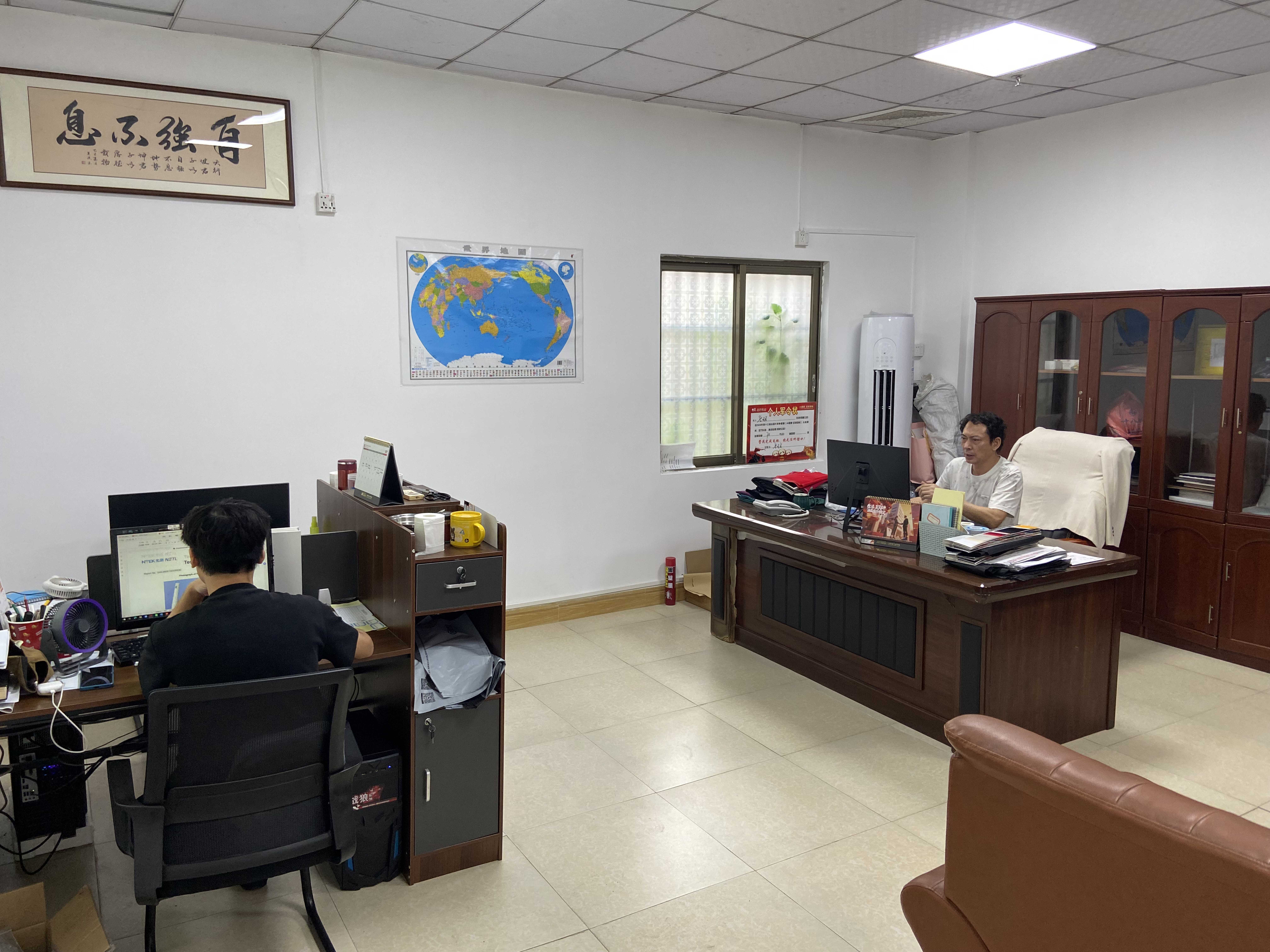
About Us
Guangdong Shunde Mingqian Flocking Co., Ltd., operating under the brand name Mingqian Flocking, is a professional flocking fabric manufacturer established in 2008 in Foshan City, Guangdong Province, China. The company operates a self-owned 10,000 square meter manufacturing base equipped with five automated electrostatic production lines, achieving a monthly capacity of over 3,000,000 yards. Backed by an experienced R&D department and an in-house dyeing workshop, the company holds ISO 9001:2015 and GRS certifications, serving global supply chains for recognized brands such as Dior, Fendi, Chow Tai Fook, and Volkswagen.
Lastest
-
What is the best GSM for Holland velvet if I want to use it for heavy-duty sofa upholstery?
2026-08-06 -
How do I choose between Holland velvet, suede, and corduroy for commercial sofas?
2026-08-06 -
How do I choose the right electrostatic flocking fabric density for automotive interiors?
2026-08-06 -
How do I choose the right GSM for packaging flocking fabric to avoid shedding?
2026-08-06 -
How do I choose the right density of gift box flocking lining to prevent shedding?
2026-08-06
SUBSCRIBE
INQUIRY