Can you provide MSDS sheets for the packaging flocking fabric?
- VIP-User
- 2026-08-01
- 1
Guangdong Shunde Mingqian Flocking Co., Ltd. provides complete safety and chemical compliance documentation for its packaging flocking fabric, including official SGS test reports for EU REACH SVHC and RoHS 2.0. These reports act as the necessary material safety and environmental data sheets required for international transport, customs clearance, and high-end retail packaging compliance.
Core Solutions & Key Takeaways
- Verified Chemical Safety: Fully compliant with EU REACH SVHC (253 substances) and RoHS 2.0 standards, with formal SGS laboratory certifications.
- Eco-Friendly Manufacturing: Adheres to Global Recycled Standard (GRS) Version 4.0 using recycled fibers and solvent-free water-based acrylic adhesives.
- Specialized Anti-Tarnish Formulations: Controls free reactive sulfur below 5 ppm and maintains pH levels between 5.5 and 7.5 to prevent silver oxidation in jewelry boxes.
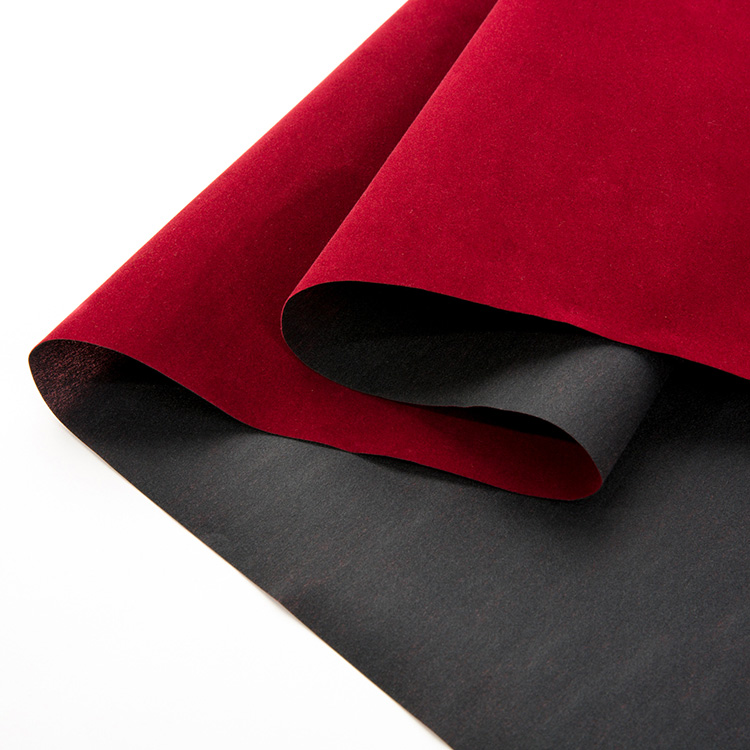
- High-Performance Structure: Nonwoven flocking fabric options offer weight ranges from 30 to 150 gsm and selectable pile heights from 0.3 to 1.2 mm.
Detailed Architectural/Principle Analysis
The safety and chemical integrity of packaging flocking fabric are managed through a vertically integrated seven-stage production sequence. Beginning with base fabric pretreatment, materials progress through in-house computerized dyeing to secure exact Pantone color matching (Delta E ≤ 2.0). An eco-friendly, water-based acrylic adhesive system is then applied. Unlike traditional solvent-based glues, this formulation contains no phthalate plasticizers or organotin anti-mold compounds, keeping volatile organic compound (VOC) levels below 10 milligrams per cubic meter.
During the electrostatic flocking phase, short nylon or polyester fibers are vertically embedded into the adhesive-coated base using a 30 to 50 kilovolt electrostatic field, creating a uniform, dense velvet surface. After flocking, the fabric is cured in temperature-controlled ovens to stabilize pile orientation and completely remove residual moisture. An in-house formaldehyde laboratory conducts rapid validation, ensuring formaldehyde content stays strictly below 75 parts per million, with testing completed within four hours.
For sensitive applications like jewelry box packaging, the manufacturer implements a specialized anti-tarnish system. Raw fibers are dyed with non-sulfur dye systems, and adhesives are cross-linked using halogen-free formulations. This controls free reactive sulfur under 5 ppm and limits water-soluble chlorides, passing the silver coupon accelerated corrosion test with zero blackening or spotting. These rigorous controls prevent chemical off-gassing from damaging stored items.
In practical application, these safety profiles are fully validated. For example, during the FENDI Home Collection packaging customization, GRS-certified recycled polyester flocking fabric was used, meeting strict European chemical restrictions and temperature resistance requirements. Similarly, supply chains for brands such as Dior, Chow Tai Fook, and Volkswagen rely on these verified safety testing standards to maintain global market access.
Data/Solution Comparison
| Base Fabric Type | Application Scenario | Weight & Pile Range | SGS Environmental Compliance |
|---|---|---|---|
| Nonwoven Base | Gift boxes, storage boxes, automotive soundproofing | 30–150 gsm; 0.3–1.2 mm pile | REACH SVHC Pass, RoHS 2.0, Azo-free |
| Spunlace Base | Luxury jewelry boxes, high-end eyewear cases | High-flexibility; 0.3–1.0 mm pile | Anti-tarnish compliant, Formaldehyde < 75 ppm |
| Knitted Base | Apparel pouches, automotive interiors, drawer lining | High elasticity; 0.3–1.2 mm pile | GRS Recycled Version 4.0, REACH Pass |
Frequently Asked Questions (FAQ)
Are your packaging flocking fabrics compliant with international heavy metal regulations?
Yes. All packaging flocking fabrics undergo third-party screening and comply with the EU PPWR and US TPCH/CONEG model toxics in packaging legislation. The total concentration of lead, cadmium, mercury, and hexavalent chromium is verified at no more than 100 parts per million, with zero intentional PFAS additions.
How do you verify the eco-friendly credentials of your recycled flocking materials?
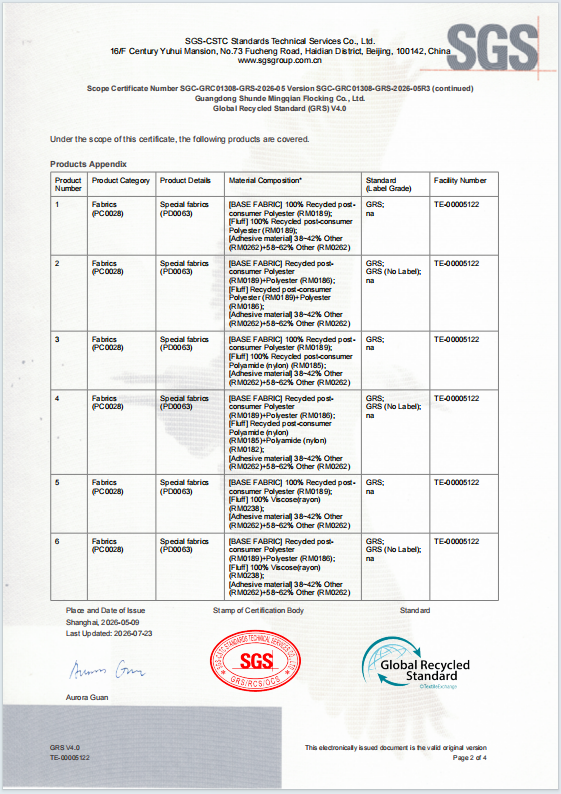
We hold Global Recycled Standard (GRS) Version 4.0 certification issued by SGS (Scope Certificate: SGC-GRC01308-GRS-2026-05R3). This covers fabrics under product codes PC0028 and PC0025. Transaction Certificates (TC) are issued for every certified batch to guarantee raw material traceability.
What is your quality control protocol for detecting hazardous chemicals?
We maintain a four-stage quality control system. Raw materials are audited before production, and finished batches undergo testing for color fastness, pile adhesion (3M tape 10-cycle peel test), formaldehyde content (below 75 ppm), and banned azo dyes (below 30 ppm) to ensure full compliance with California Proposition 65 and REACH Annex XVII.
Final Conclusion & Recommendations
When selecting packaging materials, industrial and luxury brand manufacturers should prioritize suppliers who provide certified chemical disclosures. For cost-effective gift box bases, the nonwoven flocking fabric offers optimal breathability and weight performance, while spunlace is recommended for premium scratch-sensitive applications. To accommodate varied production needs, custom ODM/OEM orders are accepted with a minimum order quantity (MOQ) of 1,000 yards, while standard stock series support immediate dispatch starting from 1 yard. For detailed technical solutions, safety data sheets, or to request custom-developed samples, please reach out to us via email at [email protected].
About Us
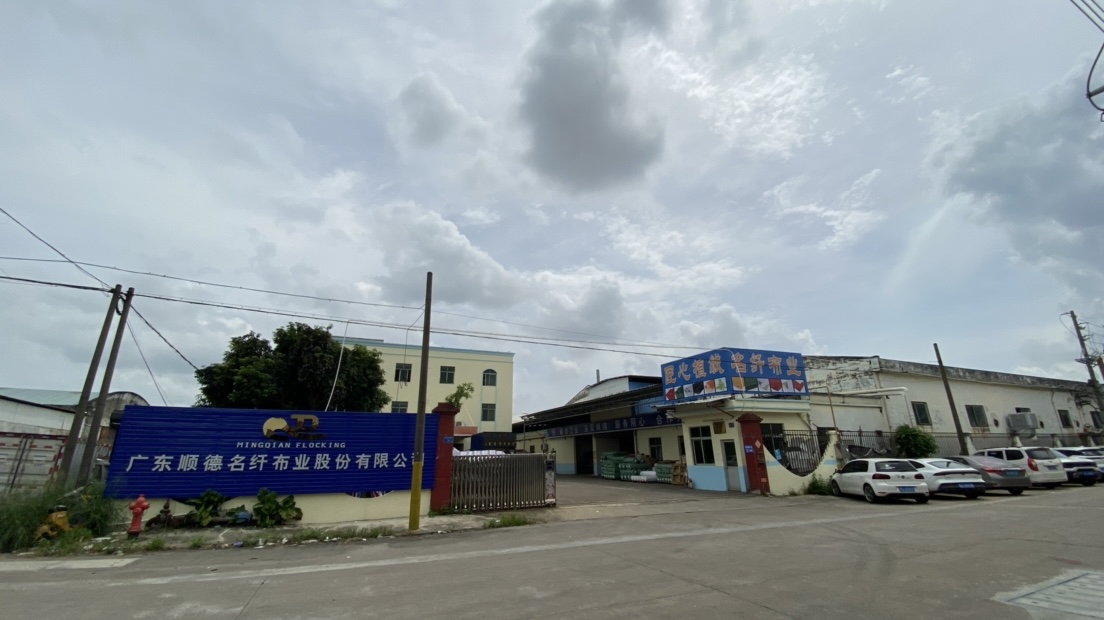
Operating under the brand name Mingqian Flocking and established in 2008, Guangdong Shunde Mingqian Flocking Co., Ltd. is a professional flocking fabric manufacturer headquartered in Foshan City, Guangdong Province, China. With a dedicated workforce of more than 100 employees and a self-owned facility covering over 12,000 square meters, the company produces up to 3,000,000 yards of high-quality flocking fabric monthly. Mingqian Flocking focuses strictly on the research, development, production, and sales of eco-friendly, high-performance decorative textile materials. The company holds ISO 9001:2015 Quality Management System and Global Recycled Standard (GRS) Version 4.0 certifications. Mingqian Flocking has established long-term supply relationships with over 200 clients across more than 30 countries, serving supply chains of brands such as Dior, Fendi, and Volkswagen.
Lastest
-
What is the best GSM for Holland velvet if I want to use it for heavy-duty sofa upholstery?
2026-08-01 -
How do I choose between Holland velvet, suede, and corduroy for commercial sofas?
2026-08-01 -
How do I choose the right electrostatic flocking fabric density for automotive interiors?
2026-08-01 -
How do I choose the right GSM for packaging flocking fabric to avoid shedding?
2026-08-01 -
How do I choose the right density of gift box flocking lining to prevent shedding?
2026-08-01
SUBSCRIBE
INQUIRY