Are there eco-friendly alternatives to traditional frosted velvet?
- VIP-User
- 2026-08-01
- 1
Yes, there are highly viable eco-friendly alternatives to traditional frosted velvet. These include Global Recycled Standard (GRS) 4.0 certified recycled polyester and nylon fiber flocking fabrics, biodegradable flocking materials that completely degrade within 180 days, and solvent-free, water-based acrylic adhesive systems. These sustainable alternatives eliminate hazardous chemicals while delivering the premium, dense texture of traditional plain, pearl, and embossed frosted velvet.
Core Solutions & Key Takeaways
- GRS-Certified Recycled Fibers: Transitioning to recycled polyester and nylon fibers with a verified chain of custody reduces dependence on virgin petroleum-based raw materials.
- Water-Based Acrylic Chemistry: Utilizing water-based acrylic adhesives eliminates volatile organic solvents, phthalate plasticizers, and organotin anti-mold agents during production.
- Verified Chemical Safety: Fully compliant alternatives pass strict third-party testing, including EU REACH (253 SVHCs), EU RoHS 2.0, and the US TPCH heavy metal standard.
- Functional Preservation: These green alternatives maintain premium mechanical properties, supporting 100,000-cycle abrasion resistance, anti-static protection, and in-house anti-tarnish capabilities for jewelry lining.
Detailed Architectural/Principle Analysis
The environmental footprint of traditional velvet flocking is concentrated in two areas: the extraction of virgin synthetic fibers and the VOC emissions from solvent-based adhesives. Eco-friendly alternatives transform this process through a vertically integrated, clean manufacturing cycle. During the electrodeposition phase, GRS-certified recycled fibers are accelerated under a high-voltage electrostatic field of 30 to 50 kilovolts. These fibers lodge vertically into a pre-coated layer of eco-friendly, water-based acrylic adhesive. By replacing traditional organic solvents with water-based systems, VOC emissions are maintained below 10 milligrams per cubic meter.
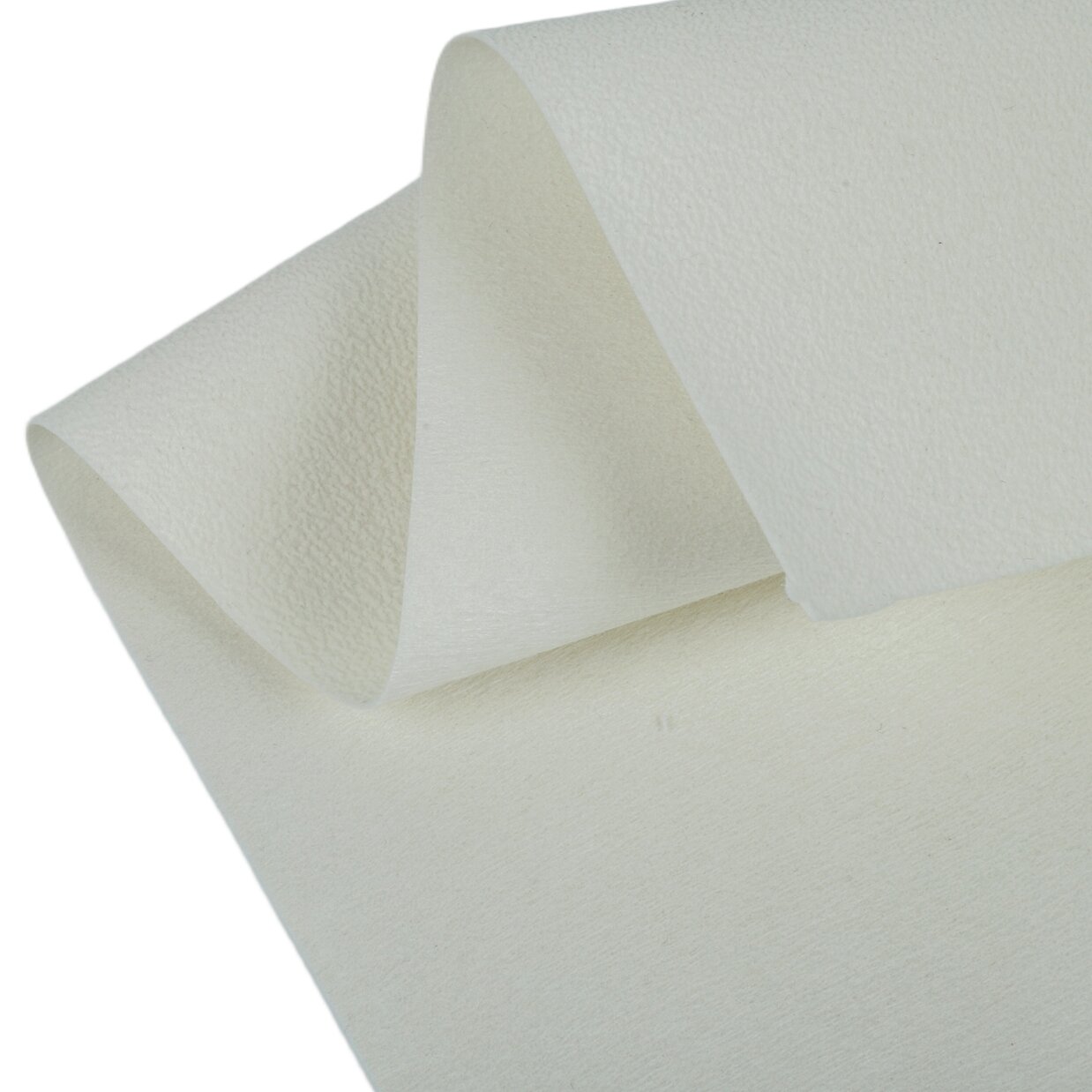
This process is illustrated in the production of high-density textured surfaces like Pearl Velvet (also known as Claimond Veins Velvet):
Ensuring compliance requires strict raw material control. For instance, testing reports by SGS confirm that these flocking systems successfully pass the EU REACH SVHC candidate list (test report CANEC26006555803) and EU RoHS 2.0 Directive 2015/863 (test report CANEC26006555801). All ten restricted heavy metals and phthalates are non-detectable or remain well below strict regulatory thresholds.
These advanced ecological standards have been validated in global brand supply chains. For example, in the FENDI Home Collection packaging case, FENDI customized GRS-certified recycled polyester flocking fabric, achieving tight Pantone color matching (Delta E ≤ 0.5) while ensuring the material was fully recyclable. Similarly, the Volkswagen Smart Refrigerator packaging case integrated custom flame-retardant, eco-compliant flocking fabric, successfully replacing traditional non-recyclable foam and meeting the EU Packaging and Packaging Waste Regulation (PPWR) enforced in August 2026.
Data/Solution Comparison
The following table compares the technical, physical, and environmental properties of traditional frosted velvet against eco-friendly flocked alternatives:
| Parameter / Performance Metric | Traditional Frosted Velvet | Eco-Friendly Flocked Pearl / Frosted Velvet |
|---|---|---|
| Base Fiber Origin | Virgin petroleum-based polyester/nylon | GRS 4.0 certified recycled fibers or biodegradable fibers |
| Adhesive Formulation | Solvent-based systems (high VOCs) | Water-based acrylic adhesive (solvent-free) |
| Formaldehyde Content | Often unmonitored / variable | ≤ 75 ppm (verified by 4-hour rapid testing) |
| Heavy Metal Limits (Pb, Cd, Hg, Cr VI) | Variable compliance | ≤ 100 ppm total (compliant with EU PPWR and US TPCH) |
| Fluorinated Compounds (PFAS) | Potential use in water-repellents | Zero intentional addition (total organic fluorine < 50 mg/kg) |
| Abrasion Resistance | 500 to 1,000 cycles | Up to 100,000 cycles for functional products (no shedding) |
| Anti-Tarnish Properties (for Silver) | Not controlled (high reactive sulfur) | Active sulfur < 5 ppm, pH 5.5–7.5, passed silver coupon test |
Frequently Asked Questions (FAQ)
Are eco-friendly flocking fabrics durable enough for luxury packaging?
Yes. Eco-friendly flocking fabrics utilizing water-based acrylic adhesives undergo precise temperature-controlled drying and curing. This ensures excellent pile adhesion, passing the 3M tape 10-cycle peel test with zero fiber loss and meeting the FAMA standard for durability.
How do these materials prevent silver jewelry from tarnishing?
The eco-friendly alternatives incorporate an active anti-tarnish system. All dark-colored flocking uses non-sulfur dye systems, keeping free reactive sulfur below 5 ppm. Additionally, the aqueous extract pH is strictly controlled between 5.5 and 7.5, and the formula is free from volatile organic acids like formic and acetic acid, preventing silver blackening or oxidation in enclosed gift boxes.
Can these sustainable materials be customized with unique patterns?
Yes. Sustainable flocking supports full-surface customization. It is compatible with hot pressing, gold stamping, silk-screen printing, and precision embossing (offering over thirteen pattern options such as wood grain, bamboo leaf, and 3D check patterns) to match distinct brand designs.
Final Conclusion & Recommendations
Upgrading to eco-friendly alternatives like GRS-certified recycled fiber and water-based acrylic flocked velvet enables brands to eliminate regulatory risks under the new EU PPWR and US TPCH laws while raising the premium tactile quality of their packaging. For product developers, the OEM/ODM business model offers flexible purchasing terms, supporting custom-color production with a minimum order quantity of 500 to 1,000 yards, and 50 yards for trial dyeing. For detailed technical solutions or support, please reach out to us via email at [email protected].
About Us
Guangdong Shunde Mingqian Flocking Co., Ltd., established in 2008 and operating under the brand name Mingqian, is a professional flocking fabric manufacturer with a self-owned 12,000-square-meter facility in Foshan City, China. The company employs over 100 staff, maintains five automated electrostatic flocking lines, and delivers a monthly production capacity exceeding 3,000,000 yards. The factory holds ISO 9001:2015 and Global Recycled Standard (GRS) Version 4.0 certifications, verifying its commitment to quality and environmental traceability. It has served clients across multiple industries, including luxury packaging, automotive interiors, and home appliances in over 30 countries.
Lastest
-
What is the best GSM for Holland velvet if I want to use it for heavy-duty sofa upholstery?
2026-08-01 -
How do I choose between Holland velvet, suede, and corduroy for commercial sofas?
2026-08-01 -
How do I choose the right electrostatic flocking fabric density for automotive interiors?
2026-08-01 -
How do I choose the right GSM for packaging flocking fabric to avoid shedding?
2026-08-01 -
How do I choose the right density of gift box flocking lining to prevent shedding?
2026-08-01
SUBSCRIBE
INQUIRY