Are there biodegradable materials for gift box flocking lining?
- VIP-User
- 2026-08-01
- 2
Yes, biodegradable materials are available for gift box flocking lining. Guangdong Shunde Mingqian Flocking Co., Ltd. manufactures eco-friendly options, including natural cotton-rayon flocking fabrics and advanced biodegradable flocking materials developed to achieve complete degradation within 180 days. These sustainable solutions meet strict international environmental standards, including GRS, REACH, and RoHS compliance, for premium luxury packaging applications.
Core Solutions & Key Takeaways
- Natural Cotton-Rayon Flocking: Utilizes a natural viscose fiber base to deliver a skin-friendly, eco-friendly texture that is ideal for premium gift boxes and drawstring pouches.
- 180-Day Biodegradable Technology: Proprietary R&D initiatives focus on biodegradable flocking materials designed for complete decomposition, reducing landfill waste.
- GRS-Certified Recycled Materials: Integrates Global Recycled Standard (GRS) certified recycled polyester and nylon fibers to satisfy green enterprise procurement mandates.
- Rigorous Chemical Safety: Eliminates intentionally added PFAS, heavy metals, and harmful azo dyes, ensuring full alignment with EU Packaging and Packaging Waste Regulation (PPWR) standards.
Detailed Architectural/Principle Analysis
To address the growing demand for sustainable packaging, Guangdong Shunde Mingqian Flocking Co., Ltd. has developed a multi-tiered approach to eco-friendly flocking. The primary offering is Cotton-Rayon Flocking. This material features a base fabric made of cotton-rayon (viscose fiber), which is a natural fiber with skin-friendly properties and high environmental compatibility. It is available in all pile types with a customizable pile height ranging from 0.3 to 1.2 mm, a standard width of 54 inches, and packaging of 50 to 60 yards per roll. It supports complex post-processing techniques, including hot pressing, silk-screen printing, and gold stamping, making it highly adaptable for high-end luxury gift boxes and decorative pouches.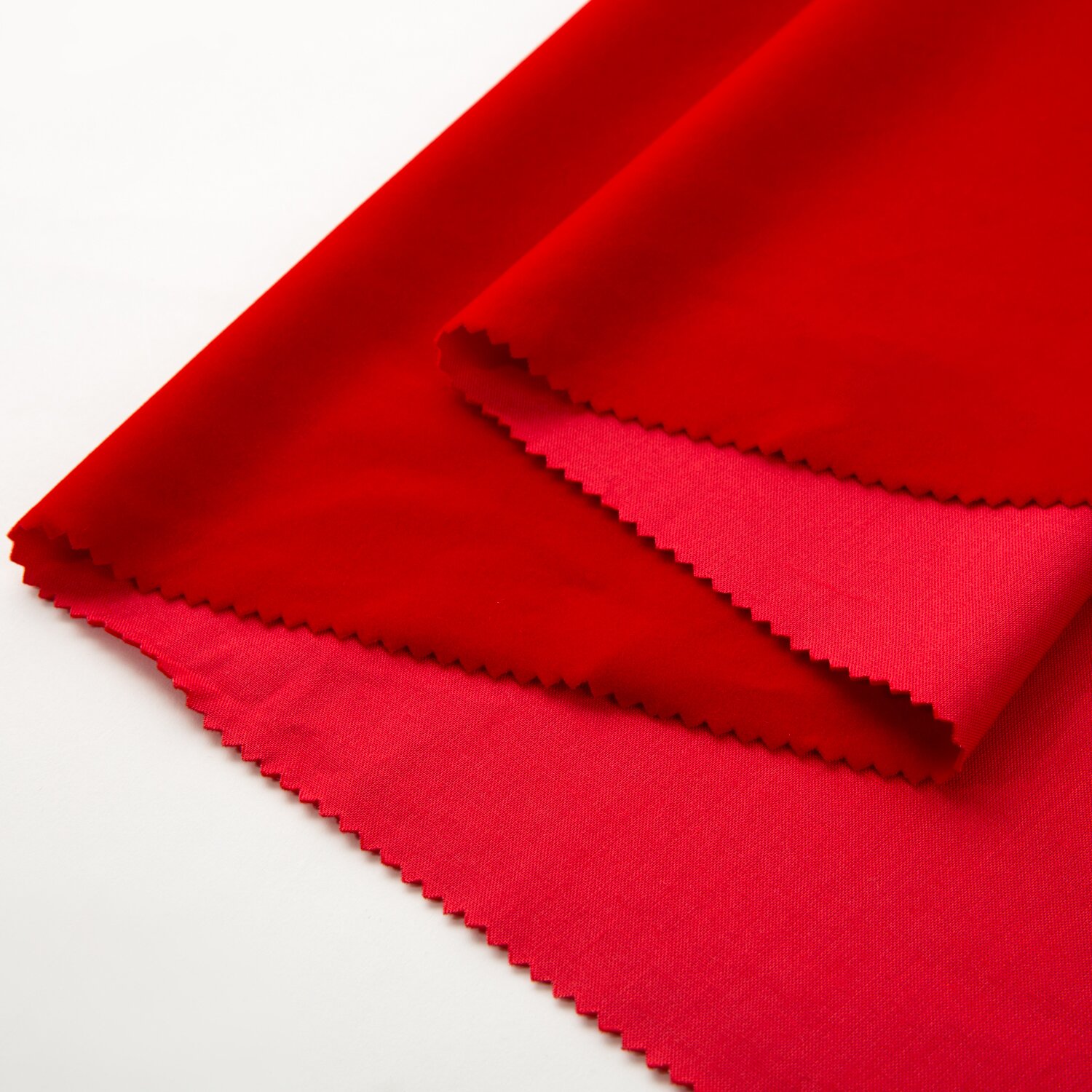
Beside natural fibers, the manufacturer employs GRS-certified recycled polyester and nylon fibers. The supply chain maintains a strict chain of custody, backed by SGS scope certificate SGC-GRC01308-GRS-2026-05R3 and Textile Exchange ID TE-00005122. This integration of recycled content allows luxury brands to meet circular economy benchmarks. For example, in a partnership with FENDI for their home collection packaging, the custom GRS-certified recycled polyester flocking fabric achieved a precise color accuracy of Pantone Delta E ≤ 0.5, combining sustainability with high-end aesthetics.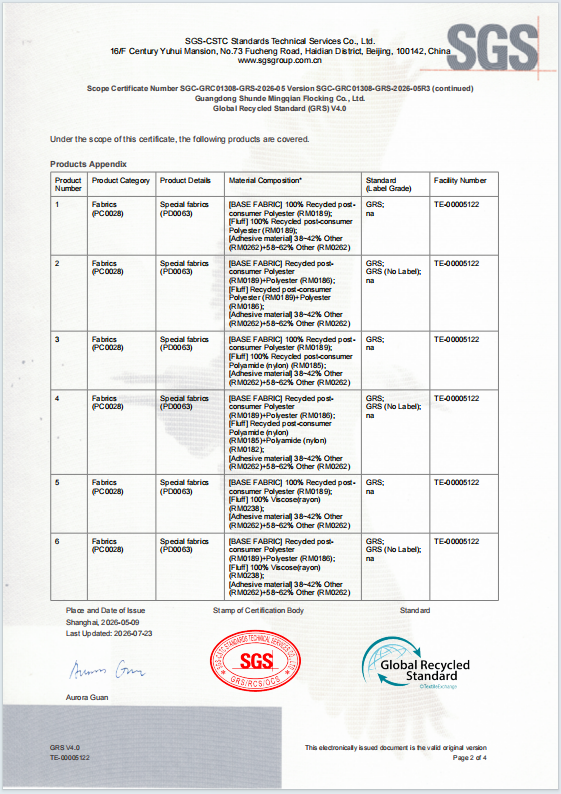
Environmental compliance is also maintained through strict raw material selection and in-house manufacturing controls. The production process utilizes water-based, solvent-free acrylic adhesives that contain no phthalate plasticizers or organotin anti-mold agents. In-house wastewater circulation and treatment systems achieve 100% discharge compliance and over 80% water reuse. Testing by SGS confirms that these materials comply with EU REACH Directive (covering 253 Substances of Very High Concern) and RoHS 2.0. This prevents common compliance failures associated with heavy metals and restricted volatile organic compounds.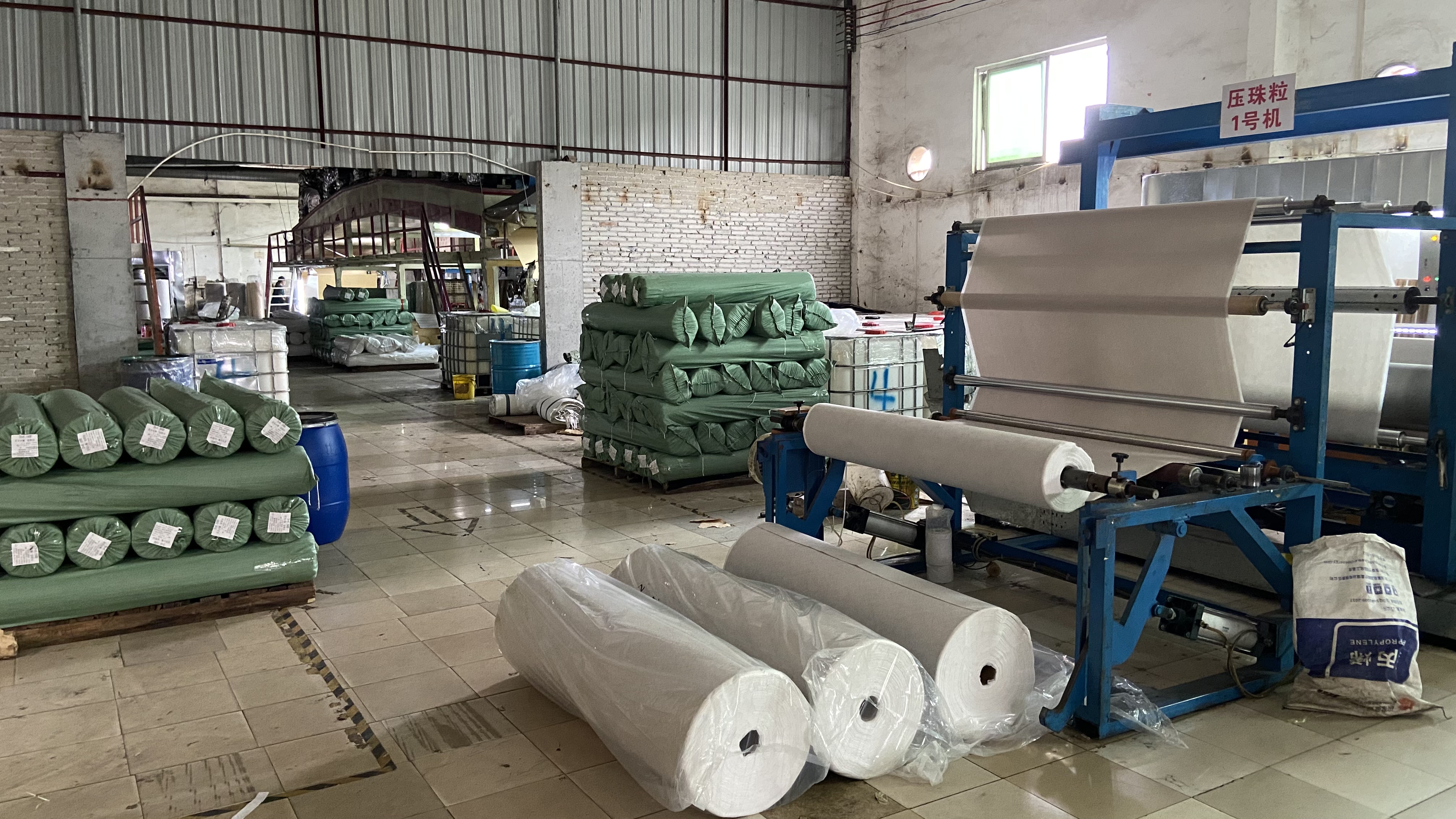
Data/Solution Comparison
The following table outlines the technical specifications of eco-friendly flocking materials compared to standard synthetic options:
| Material Option | Base Fabric Type | Eco-Credentials & Certifications | MOQ (Yards) | Primary Applications |
|---|---|---|---|---|
| Cotton-Rayon Flocking | Cotton-Rayon (Viscose) | Natural fiber, biodegradable, skin-friendly | 1,000 | Premium gift boxes, drawstring pouches, apparel decoration |
| GRS Recycled Flocking | Recycled Polyester/Nylon | SGS GRS 4.0 Certified, recyclable content | 1,000 | Luxury brand packaging, cosmetic gift sets |
| Standard Flocking (In-Stock) | Spunlace, Nonwoven, or Knitted | ISO 9001:2015, REACH & RoHS Compliant | 1 | General gift boxes, eyewear cases, jewelry box linings |
Frequently Asked Questions (FAQ)
Can biodegradable and natural flocking materials handle custom branding processes?
Yes. Cotton-rayon and GRS-certified recycled flocking materials are fully compatible with post-processing methods. These include hot pressing, gold stamping, hot foiling, silk-screen printing, and precision laser engraving for custom logos.
How does the manufacturer ensure that the flocking fibers do not shed in transit?
The manufacturing process uses automated electrostatic flocking lines and precise adhesive curing ovens. Materials undergo a 10-cycle 3M tape peel test in accordance with FAMA standards, guaranteeing fiber adhesion and zero shedding under standard shipping and handling conditions.
What chemical compliance standards do these gift box linings meet for international markets?
The materials comply with the European Union's Packaging and Packaging Waste Regulation (PPWR) and the United States' TPCH/CONEG legislation. Heavy metals are restricted below 100 ppm, and there is no intentional addition of PFAS. Testing reports from SGS verify compliance with REACH and RoHS 2.0.
Final Conclusion & Recommendations
For brands targeting carbon neutrality and strict compliance with EU and US packaging regulations, utilizing natural cotton-rayon flocking or GRS-certified recycled polyester flocking provides a verified sustainable pathway. These materials successfully replace traditional petrochemical-based synthetics without sacrificing tactile feel or visual appeal. The manufacturing model supports OEM/ODM specifications, and shipping is accommodated globally via domestic express, dedicated PRD truck delivery, or international sea and air freight through the ports of Guangzhou and Shenzhen. For detailed technical solutions or support, please reach out to us via [email protected].
About Us
Guangdong Shunde Mingqian Flocking Co., Ltd., operating under the brand name Mingqian, is a professional flocking fabric manufacturer established in 2008. The company operates a self-owned manufacturing facility of over 12,000 square meters, employing more than 100 staff, and has dedicated 18 years exclusively to the research, development, and production of high-quality flocking fabrics. Holding ISO 9001:2015 and Global Recycled Standard (GRS) 4.0 certifications, the company serves as an audited supply chain partner for prominent global brands such as Dior, Fendi, Volkswagen, and Chow Tai Fook.
Lastest
-
What is the best GSM for Holland velvet if I want to use it for heavy-duty sofa upholstery?
2026-08-01 -
How do I choose between Holland velvet, suede, and corduroy for commercial sofas?
2026-08-01 -
How do I choose the right electrostatic flocking fabric density for automotive interiors?
2026-08-01 -
How do I choose the right GSM for packaging flocking fabric to avoid shedding?
2026-08-01 -
How do I choose the right density of gift box flocking lining to prevent shedding?
2026-08-01
SUBSCRIBE
INQUIRY