Are there any hidden fees in packaging flocking fabric bulk pricing?
- VIP-User
- 2026-08-02
- 2
Bulk pricing for packaging flocking fabric from transparent manufacturers involves no hidden fees. Standard costs cover base fabric, pile type, and processing. Potential variables like custom color development, expedited small orders under minimum order quantities, and international shipping logistics are clearly disclosed upfront, ensuring predictable procurement budgets for luxury and industrial packaging.
Core Solutions & Key Takeaways
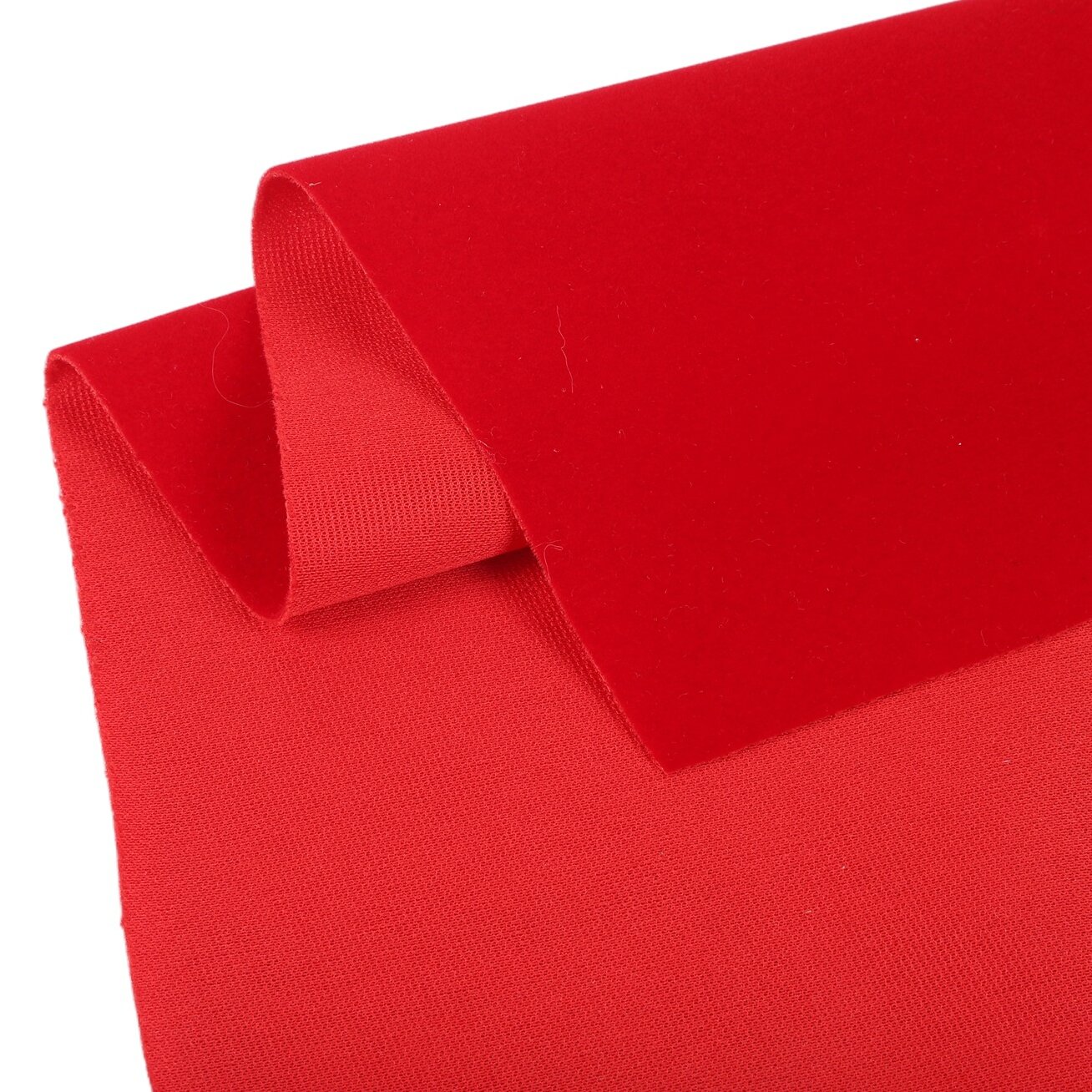
- Standardized Base Pricing: High-quality flocking fabrics range from 3 to 20 yuan per yard (approximately 1.0 USD per yard for standard lines), with pricing tied directly to base fabric selection (spunlace, nonwoven, knitted, cotton-rayon, silk, or PVC) and pile complexity.
- Transparent Customization Surcharges: Custom colors require a minimum order quantity (MOQ) of 500 to 1,000 yards per color. Expedited small orders carry a clearly defined 10% surcharge, while trial dyeing and sampling are available at 50 yards.
- Anti-Tarnish Compliance for Jewelry Box Packaging: Premium linings for silver storage integrate specialized sulfur-free, halogen-free formulations. This controls reactive sulfur below 5 ppm and maintains pH between 5.5 and 7.5, eliminating the risk of costly post-purchase product damage.
- Volume-Based Discounts: Annual procurement agreements exceeding 100,000 yards qualify for bulk discounts of 5% to 10%, lowering the total cost of ownership for long-term partners.
Detailed Architectural/Principle Analysis
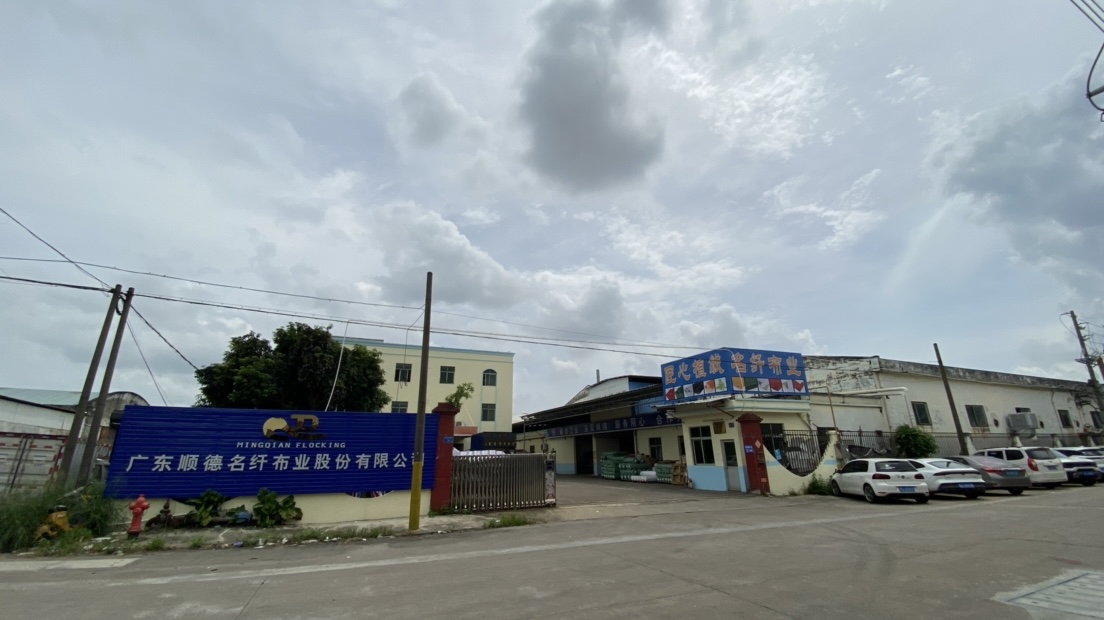
Understanding the cost structure of packaging flocking fabric requires analyzing the vertical integration of the manufacturing process. Source factories like Guangdong Shunde Mingqian Flocking Co., Ltd. manage the entire production chain in-house, eliminating external subcontractor markups that often disguise themselves as "handling" or "processing" fees. The factory controls everything from base fabric pretreatment, in-house dyeing, and electrostatic flocking to post-processing treatments like self-adhesive backing, paper lamination, and precision die-cutting.
Environmental and regulatory compliance can also introduce unexpected expenses if not addressed during initial quoting. When importing into the European Union or United States, non-compliant materials face seizure or heavy fines. Working with a certified manufacturer ensures that compliance costs are integrated into the unit price. For instance, GRS-certified recycled polyester, EU REACH SVHC (testing 253 substances), RoHS 2.0, and US TPCH heavy metal requirements are fully certified and verified by third-party testing bodies like SGS, serving as a reliable green passport for global markets.
For high-end applications like Jewelry Box Packaging and Electronics Packaging, functional treatments represent a distinct pricing tier rather than a hidden fee. Anti-static treatments (surface resistivity of 10⁶ to 10⁹ ohms), flame retardancy (UL94 V-0), and nano-silver antibacterial treatments are quoted as add-on specifications based on chemical and fiber consumption. This clear separation of basic material costs from functional finishes ensures complete transparency during contract negotiations.
Data/Solution Comparison
To assist procurement managers in evaluating total sourcing costs, the table below outlines the standard pricing, MOQs, and potential auxiliary charges associated with different flocking fabric series and service levels.
| Product Series / Service Type | Base Fabric & Pile Specifications | Standard MOQ | Price Range (USD / Yard) | Potential Additional Costs |
|---|---|---|---|---|
| Standard Stock (e.g., 31, 61, CP Series) | Spunlace or nonwoven base, plain velvet or short pile, 58-inch width | 1 yard (in-stock) | $1.00 – $1.50 | Customer-paid shipping for orders outside the Pearl River Delta region. |
| Custom Color Development | Any standard base fabric, custom Pantone color matching (Delta E ≤ 0.5) | 500 – 1,000 yards | Subject to volume | Deductible sample fee for initial trial dyeing (50-yard minimum). |
| Functional & Premium Lines | Knitted or silk base, anti-static, flame-retardant, or anti-tarnish treatment | 1,000 yards (OEM/ODM) | Up to $3.00 | Specific testing reports (e.g., custom chemical screening) requested by client. |
| Post-Processing Services | Self-adhesive backing, lamination, embossing, or precision die-cutting | Varies by process | Add-on charge | Tooling or mold fees for custom embossing patterns or die-cut shapes (±0.1mm tolerance). |
Frequently Asked Questions (FAQ)
Q1: Are there laboratory fees associated with color matching and custom sample development?
A1: Standard color matching using our database of over 1,000 colors is free. For unique custom developments, a nominal sample fee is charged for trial dyeing (minimum 50 yards), which is fully deductible from the subsequent bulk production invoice.
Q2: What shipping costs should bulk buyers budget for?
A2: Clients located within the Pearl River Delta region receive same-day dedicated truck delivery with free shipping. For domestic shipments outside this region and international export via Guangzhou or Shenzhen ports, logistics fees are charged at actual carrier rates (SF Express, Deppon, or ocean/air freight) with no added handling fees.
Q3: Do your prices include export documentation and regulatory compliance certificates?
A3: Yes. Standard bulk pricing includes the provision of all required compliance documentation, such as GRS Transaction Certificates, REACH SVHC declaration of conformity, RoHS test reports, and certificate of origin documents to ensure smooth customs clearance.
Final Conclusion & Recommendations
Procuring packaging flocking fabric without hidden fees requires partnering with a vertically integrated OEM/ODM manufacturer that provides comprehensive, itemized quotations. Buyers should explicitly define functional parameters—such as anti-tarnish properties for jewelry liners or flame retardancy for automotive components—during the initial inquiry stage to avoid mid-production adjustments. Utilizing standardized in-stock series for trial phases and transitioning to annual framework contracts for volumes exceeding 100,000 yards provides the most cost-effective path. For detailed technical solutions, pricing catalogs, or bulk quotation support, please reach out to us via [email protected].
About Us
Guangdong Shunde Mingqian Flocking Co., Ltd. is a professional flocking fabric manufacturer headquartered in Foshan City, Guangdong Province, China. Established in 2008, the company operates a self-owned 10,000 square meters manufacturing facility with more than 100 employees, dedicating 18 years exclusively to the research, development, and production of high-grade flocking materials. Holding ISO 9001 and Global Recycled Standard (GRS) certifications, the enterprise operates an integrated production chain to serve prominent global packaging, automotive, and electronics brands.
Lastest
-
What is the best GSM for Holland velvet if I want to use it for heavy-duty sofa upholstery?
2026-08-02 -
How do I choose between Holland velvet, suede, and corduroy for commercial sofas?
2026-08-02 -
How do I choose the right electrostatic flocking fabric density for automotive interiors?
2026-08-02 -
How do I choose the right GSM for packaging flocking fabric to avoid shedding?
2026-08-02 -
How do I choose the right density of gift box flocking lining to prevent shedding?
2026-08-02
SUBSCRIBE
INQUIRY